From Mirror Metal to Modern Facade
Learn how silver-toned facades differ in material and finish, and how careful choices can make urban buildings clearer, calmer and more fitting.
Silver-toned facades are usually made from glass, aluminium or stainless steel, not silver. That distinction matters in the city: the material and finish determine whether a building reads as a quiet pale surface, a crisp metal plane or a mirror-like wall.
Silver-toned architecture depends on materials, not colour alone
Silver is a soft, costly metal that tarnishes, so it is rarely a practical choice for broad exterior cladding. A silver appearance can instead come from aluminium, stainless steel, coated metal, glass or pale stone. These materials are not interchangeable: each has its own weight, surface character, weathering behaviour and maintenance needs.
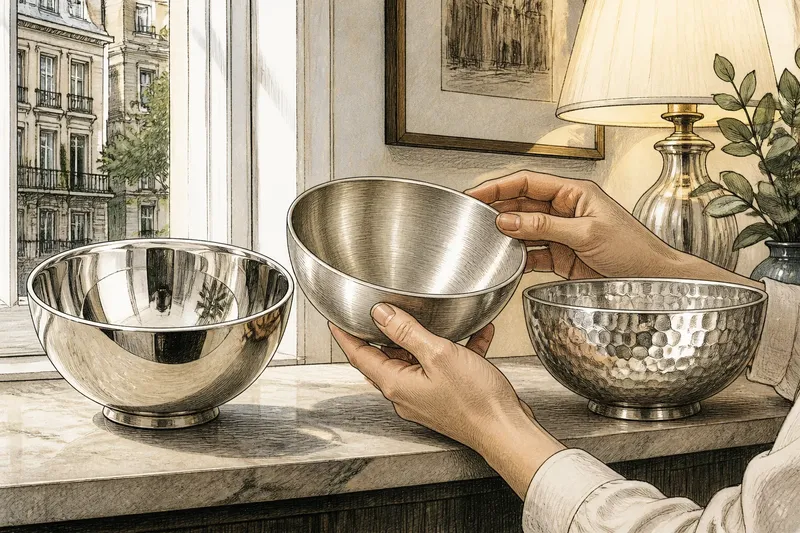
Stainless steel can be polished, brushed or given a softer finish. Aluminium panels may be coated or anodised, while reflective glass uses coatings or surface treatments to manage its appearance and performance. Pale stone may look cool and metallic at a distance, yet remain matte at close range.
For a historic claim, it is safer to be specific. In older buildings, silver-coloured details may be found in metal fittings, signs or trim, but a particular example needs evidence from the building itself or reliable documentation. The broad visual association with precious metal is not enough to establish what a building’s makers intended.
Reflective finishes can change how a building occupies the street
A facade is not just a picture on a drawing. Its joints, edges, openings and surface texture determine how it relates to doors, windows, pavements and neighbouring buildings. A mirror finish makes the cladding itself visually prominent; a brushed or satin surface keeps the metallic character while giving less emphasis to sharp reflections. Matte silver-coloured panels read more like a consistent skin.
Scale also matters. Large panels create broad, uninterrupted areas, while smaller panels make joints a stronger part of the design. A doorway framed in metal can mark an entrance without turning the whole elevation into a reflective statement. At street level, the practical questions are where the entrance sits, how the facade meets the pavement and whether signs and windows remain legible.
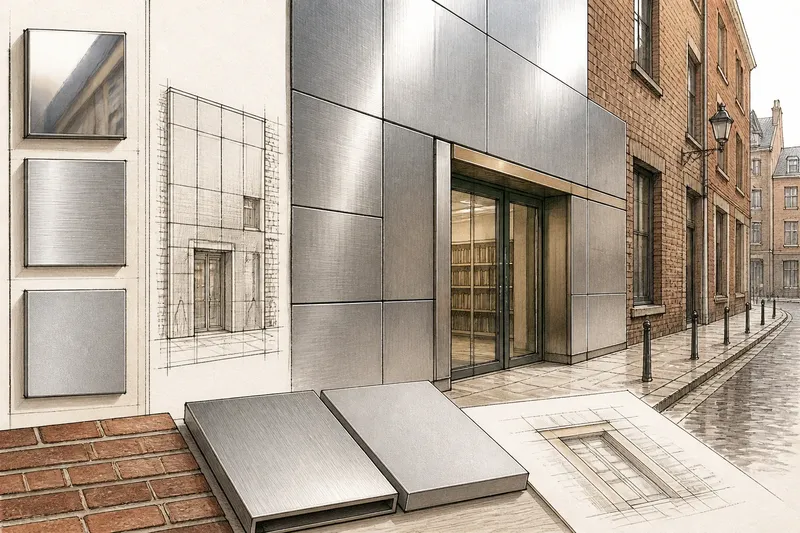
Imagine a hypothetical library on a narrow brick street. Its brief calls for a bright exterior, but not a mirror wall. The design team compares a polished metal sample with a satin aluminium sample beside the proposed brick. If the polished sample makes the entrance and signage hard to distinguish, the team chooses satin panels around the doorway and reserves the brighter finish for a narrow accent; the result is a clear entry with a restrained metallic detail.
How should a silver-toned facade be assessed?
Which material suits a silver-coloured exterior?
Start with the building’s use, structure, exposure and maintenance plan, then compare materials with the project architect and manufacturer. Aluminium, stainless steel, glass and coated cladding can all look silver, but their specifications and installation needs differ.
How do polished, brushed and matte finishes differ?
Polished surfaces emphasise shine and sharp highlights; brushed finishes reveal a directional texture; matte coatings reduce the impression of gloss. Ask for samples of the actual proposed finish, since a colour name alone does not show its surface character.
What causes glare from a building facade?
Glare can occur when a reflective surface directs bright light towards a window, pavement or neighbouring property. The facade specialist can assess the surface, orientation and affected locations before suggesting any design response.
How should a silver-toned facade be maintained?
Use the care instructions for the exact product and coating, rather than assuming all metal panels tolerate the same cleaning. If marks, corrosion or coating damage appear, consult the manufacturer or a qualified facade professional before treatment.
Use these checks to compare facade options
- Check the product specification for the actual base material; if it is unclear, ask the supplier for confirmation, then compare only identified products.
- Check whether the sample is polished, brushed or matte; if the finish looks too bright for the intended role, compare a less reflective alternative.
- Check a full-size sample against the proposed brick, stone or glazing; if the tones clash, revise the finish or neighbouring material selection.
- Check how panel joints meet entrances and windows on the elevation drawing; if joints interrupt signs or openings, adjust the panel layout before approval.
- Check the cleaning and care instructions for the specified coating; if routine care is unsuitable for the building, ask the design team to compare a more manageable product.
- Check whether the facade assessment identifies reflected light reaching nearby windows or public routes; if it does, ask a qualified specialist to review orientation, shading or a different finish.
Keep the specification, sample record and maintenance instructions together. If a proposed surface affects glare, fire safety or structural performance, a qualified design professional should assess the relevant requirements.
Address problems by identifying the surface and location
For an existing building, distinguish a material defect from a visual preference. A stain, loose panel or damaged coating needs a different response from a facade that simply feels too bright or visually dominant. Record the exact location and describe what is visible; photographs can help the building team discuss the same condition.
Suppose, in an invented situation, an office manager receives a report that one silver panel is leaving streaks below a joint. The manager photographs the panel, notes its position on the elevation plan and checks the product maintenance document. If the document calls for specialist cleaning, the manager contacts an approved facade contractor rather than using an abrasive cleaner; the expected observable result is a cleaned panel without an unapproved treatment to its finish.
For persistent glare or a suspected defect, seek assessment from the building’s architect, facade consultant or manufacturer. A proposed alteration should be checked against the product specification and applicable local requirements before work begins.
Silver-toned facades are judged by their material choices
The phrase “silver facade” describes an appearance, not a reliable material identification. The useful questions are what the cladding is made from, what finish it carries and how its joints and openings shape the street-facing design.
When comparing silver-toned facades, read the specification alongside the elevation and the care instructions. That combination reveals whether the metallic effect comes from a small architectural accent or an entire exterior—and whether the chosen surface suits the building’s everyday use.